Walden’s Triumph
During the hustle and bustle of the pre-Christmas social season, one of the stand-out social occasions for me was to celebrate the work of one of our country’s outstanding educators. Dr Russell Walden, a long-time staffer at Victoria University’s School of Architecture, has clearly been making the most of retirement.
In December he launched his most important (but hopefully not his last) book. ‘Triumphs of Change: Architecture Reconsidered’ is published by Peter Lang AG in Switzerland and is almost a life’s work for Russell. It has Charles Jencksian’ opus, but without that polemicist’s pretentiousness. A triumph in itself.
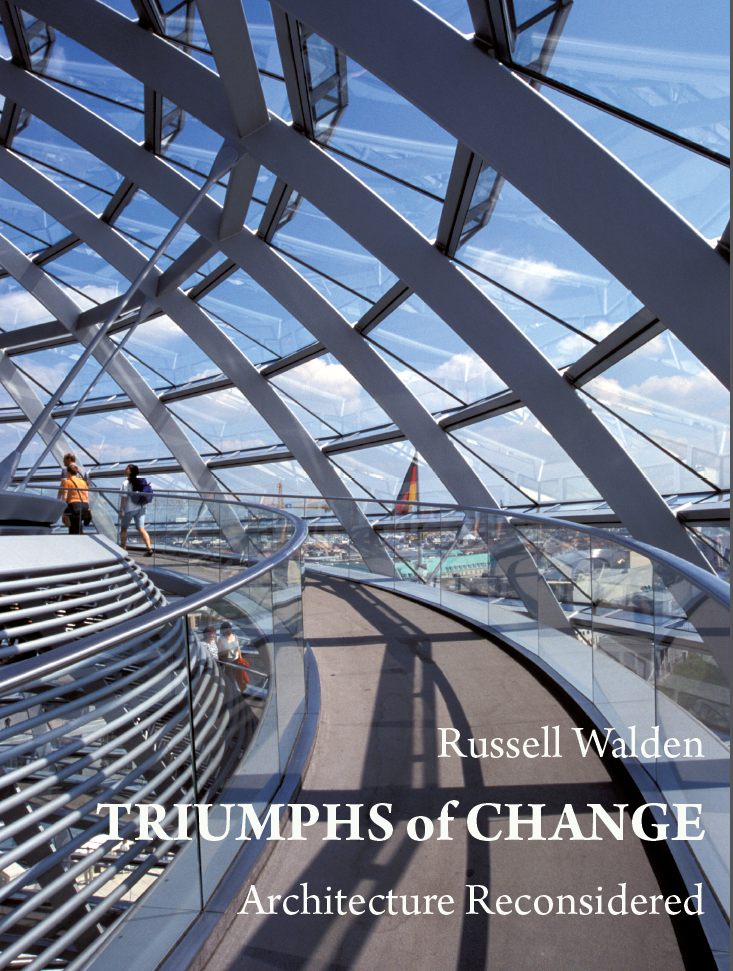
I want to include him in my blog about ‘beauty’ because he truly believes that the real task of our profession is to promote beauty and repudiate ugliness.Two days after the camaraderie and vinos at the School of Architecture, Russell circulated a moving email to his many friends:
I quote a portion: I spent so much of my life wanting to lecture with direction, passion and joy. I hope NZers will begin to understand why my public commentary in NZ was so critical. I can’t stand ugliness in Architecture.
Te Papa is a camel (a horse designed by a committee) to Russell. He had the courage to say so, and on public television.
Even though Russell doesn’t see Calatrava’s work as reminiscent of the bleached rib cages of dead animals, and that he speaks of Athfield and myself in the past tense (we apparently died around the mid-nineties) I do celebrate his great passion for architecture. He is a great lighthouse for generations of architecture students who would otherwise drift on to the reefs of apathy.
Though his light may be dimming, his passion and enthusiasm are not. In my view, he deserves wide recognition as one of the few enduring architectural educators in our young architecturally emerging country.
Farewell Carmen
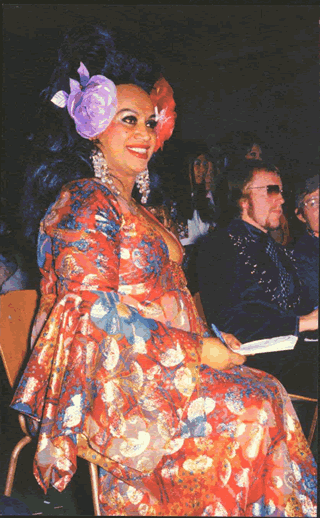
I would like to add my personal tribute following the recent death of Carmen.
As well as being Taumarunui’s most famous export, she needs, in my view, far wider recognition for her policies as a candidate in the 1977 mayoral election.
We designed a café for her in Dixon St. that was refused a licence by the Wellington City Council on the basis that’ undesirable’ types might frequent it.
1970’s Wellington had a few raffish urban figures, mainly patrons of Suzy van der Kwast’s Coffee shop in Willis St. Bart Cox, Bill Hallam-Eames, Roy Parsons, Ron Brierley ,and Bob Jones among them.
Unfortunately they were not a significant enough core to counterbalance the dark suited, light shirted civil servant types whose dress exuberance was limited to the statuatory 0.3m2 surface area of their ties.
Carmen as a generously proportioned ladette had more like 3.0m2 of colourful surface area on show, so she stood out.
 When I first arrived in Wellington in the late 1960’s, Michael Fowler, my mentor, and subsequent mayor, recognized that Wellington deserved better than being a mere workplace location emptying each night as the office workers travelled home to the ‘dormitory’ suburbs. Read More
In memory of Centrepoint
The book ‘Why Buildings Fall down’ by Matthys Levy, Mario Salvadori and Kevin Woest, suggests that ‘gravity gets all buildings in the end’.
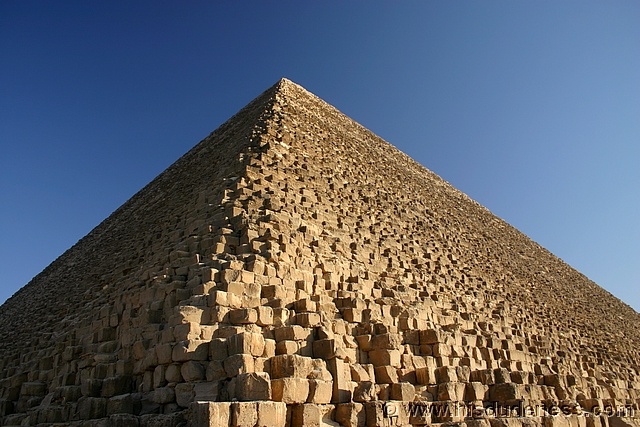
Of the original seven wonders of the world, only one, the Great Pyramid of Giza, is still standing. The reason is perhaps, that with its sloping sides, it could be considered pre-collapsed.
Our 1973 Centrepoint shopping centre, in the main street of Masterton, may have been one of the seven wonders of the Wairarapa. Read More
Tawa
Where's Lynn?
Maori Architecture
I confess to being a late starter in learning about our indigenous architecture. Growing up in suburban Hamilton was an impediment.
Two years ago I had my first real functioning marae experience. It was an occasion of great sadness – a tangi for a fine young man, at Tu Teao Marae in Te Teko. But through the sadness, I couldn’t help but note the wonder of how the special sequencing, the disposition of the buildings around the central open space, and the inter linking of each activity around that space, actually worked.
The architecture functioned in support of the welcoming process, the protocols, the sense of belonging, the continuity of tradition, and the seemingly effortless feeding of thousands of guests over the three days.
